
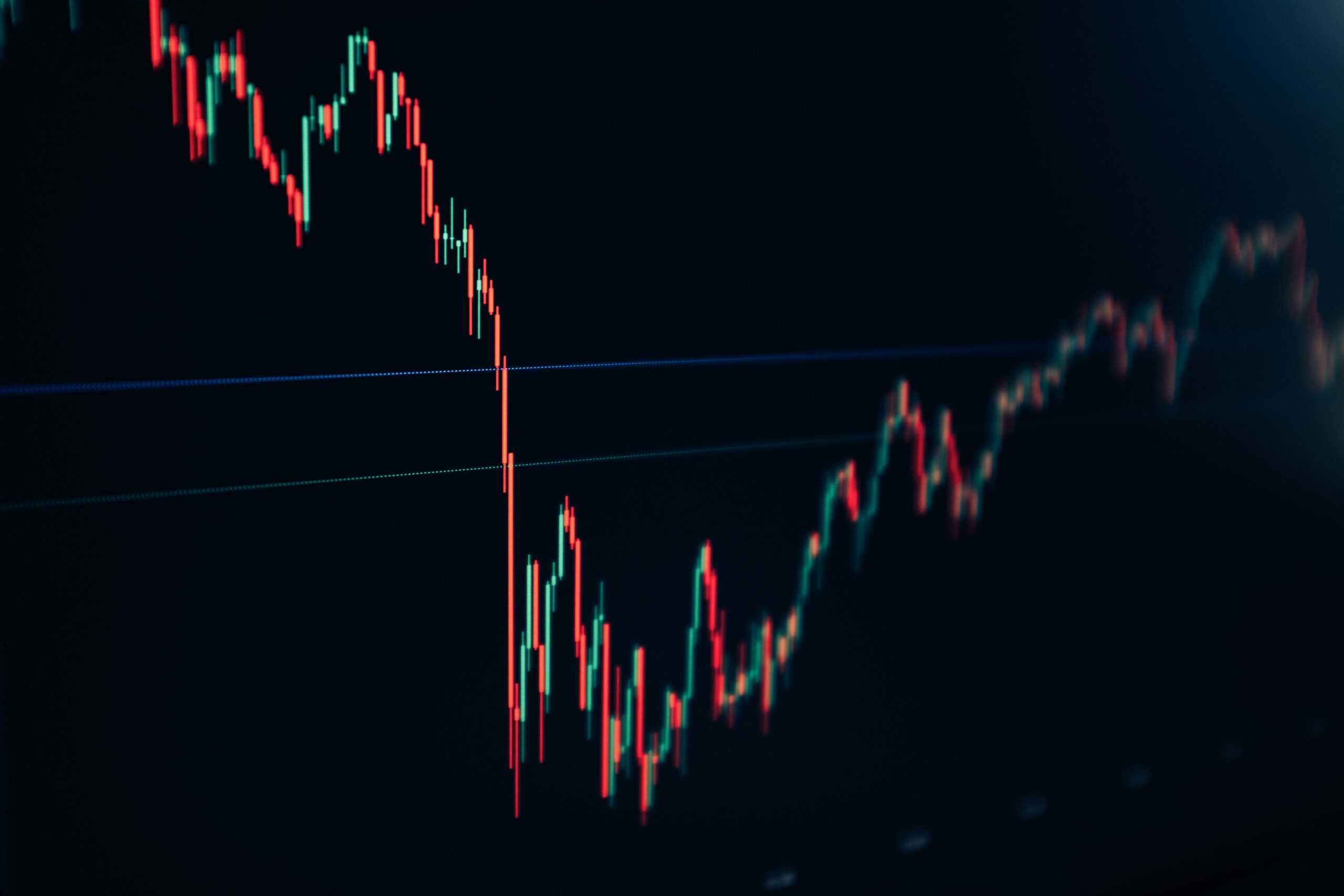
Recessions and market crashes are two terms that often get mixed up, especially during times of financial uncertainty. While both can create fear and negative headlines, they are very different events with different causes, timelines, and effects. Understanding the difference can help you make smarter financial decisions, avoid panic, and stay focused on long-term stability. This guide breaks down what each term really means and how they impact your finances.
What Is a Recession?
A recession is a prolonged period of economic decline, typically defined by two consecutive quarters of falling GDP. During a recession, businesses slow down production, consumers spend less, and unemployment tends to rise as companies struggle to maintain profits. Recessions often build gradually and can last anywhere from several months to over a year, depending on the underlying economic issues.
What Is a Market Crash?
A market crash refers to a sudden and dramatic drop in stock prices, often happening within days or even hours. Unlike recessions, which unfold slowly, a market crash is driven by fear, panic selling, or major economic shocks. Prices fall sharply as investors rush to sell their shares, creating extreme volatility. A market crash can be alarming, but it doesn’t necessarily mean the broader economy is in decline.
Key Differences Between a Recession and a Market Crash
The biggest difference between the two is speed and scope. A recession affects the overall economy and develops over time, while a market crash happens rapidly and impacts financial markets specifically. Recessions are driven by economic fundamentals like reduced consumer spending or rising unemployment. Market crashes, on the other hand, often stem from panic, speculation, or unexpected events. A recession can last months or years, but a crash may last only days or weeks, though markets can take longer to recover.
Can a Market Crash Cause a Recession?
Yes, a severe market crash can help trigger a recession. When stock prices plummet, investors and households lose wealth, businesses face tighter credit, and consumer confidence drops. These disruptions can slow economic activity significantly. Examples include the 1929 crash that led into the Great Depression and the 2008 financial crisis, where a collapse in financial markets contributed to a deep global recession.
Can a Recession Cause a Market Crash?
A recession can also lead to a market crash, although it doesn’t always. When companies report falling earnings and economic indicators turn negative, investors may panic and sell off stocks. This selling pressure can cause prices to fall rapidly. However, many recessions do not include a stock market crash, especially when the downturn is mild or expected.
What Happens During Each?
During a recession, people may face job losses, reduced wages, and higher financial stress as businesses cut costs and consumers tighten their budgets. Economic growth slows, and industries like retail, travel, and manufacturing may see significant declines.
During a market crash, the biggest immediate impact is extreme volatility in stock prices. Investors may experience large, sudden losses in their portfolios, and financial markets can feel chaotic. However, everyday life often remains relatively unchanged unless the crash is severe enough to affect the broader economy.
Historical Examples
History provides clear examples that recessions and market crashes can happen together, or separately. The dot-com crash in 2000 led to major stock losses before the 2001 recession followed. In 2020, markets crashed due to COVID-19 uncertainty but rebounded quickly, while the recession itself was short-lived. In 2008, a market collapse triggered by the housing crisis directly fueled a deep global recession, showing how the two can be closely connected.
Why the Difference Matters for Investors
During a market crash, the best approach for most investors is to stay calm, avoid panic selling, and focus on long-term strategy. Crashes often recover faster than people expect, and selling during the dip locks in losses. In a recession, it’s important to strengthen your financial foundation, build your emergency fund, cut unnecessary expenses, pay down debt, and invest cautiously. Diversification helps in both scenarios, reducing risk and protecting your portfolio from extreme swings.
Summary
Recessions and market crashes are related but very different events. A recession is a broad economic decline that develops over time, while a market crash is a sudden drop in stock prices driven by panic. One can cause the other, but not always. Understanding these differences helps you stay level-headed and make smarter financial choices during uncertain times. Whether the economy slows or markets fall, staying informed and focused on long-term strategy is the key to navigating financial turbulence.
FAQs
How can I tell if we’re in a recession or just a market crash?
A market crash happens quickly, stock prices drop sharply within days or weeks. A recession unfolds more slowly, showing up in broader data like rising unemployment, lower consumer spending, and shrinking GDP over several months.
Which is worse for my finances, a recession or a market crash?
It depends. A market crash mainly affects investments in the short term, while a recession can impact jobs, income, and business activity for a longer period. Recessions usually have a broader, deeper effect on everyday life.
Do market crashes always lead to recessions?
No. Some crashes, like the COVID-19 crash in 2020, recover quickly without causing a long recession. Others, like the 2008 financial crisis, can trigger deep, lasting downturns.
Can investors make money during a market crash?
Yes, but it requires discipline and strategy. Long-term investors often use crashes as buying opportunities for quality stocks at lower prices. However, timing the market is risky, so diversification and patience matter most.
How should I prepare my finances for a recession?
Focus on strengthening your emergency fund, reducing high-interest debt, and avoiding unnecessary expenses. Keeping a cash buffer and maintaining steady income streams help protect you during downturns.
Is it smart to stop investing during a crash or recession?
Usually not. Continuing to invest regularly, known as dollar-cost averaging, can help you buy more shares when prices are low and benefit from recovery later. The key is staying consistent and not panicking.
What’s the best long-term mindset during economic uncertainty?
Stay calm, stay diversified, and focus on your long-term goals rather than short-term market movements. Economic downturns and recoveries are normal parts of the financial cycle.