
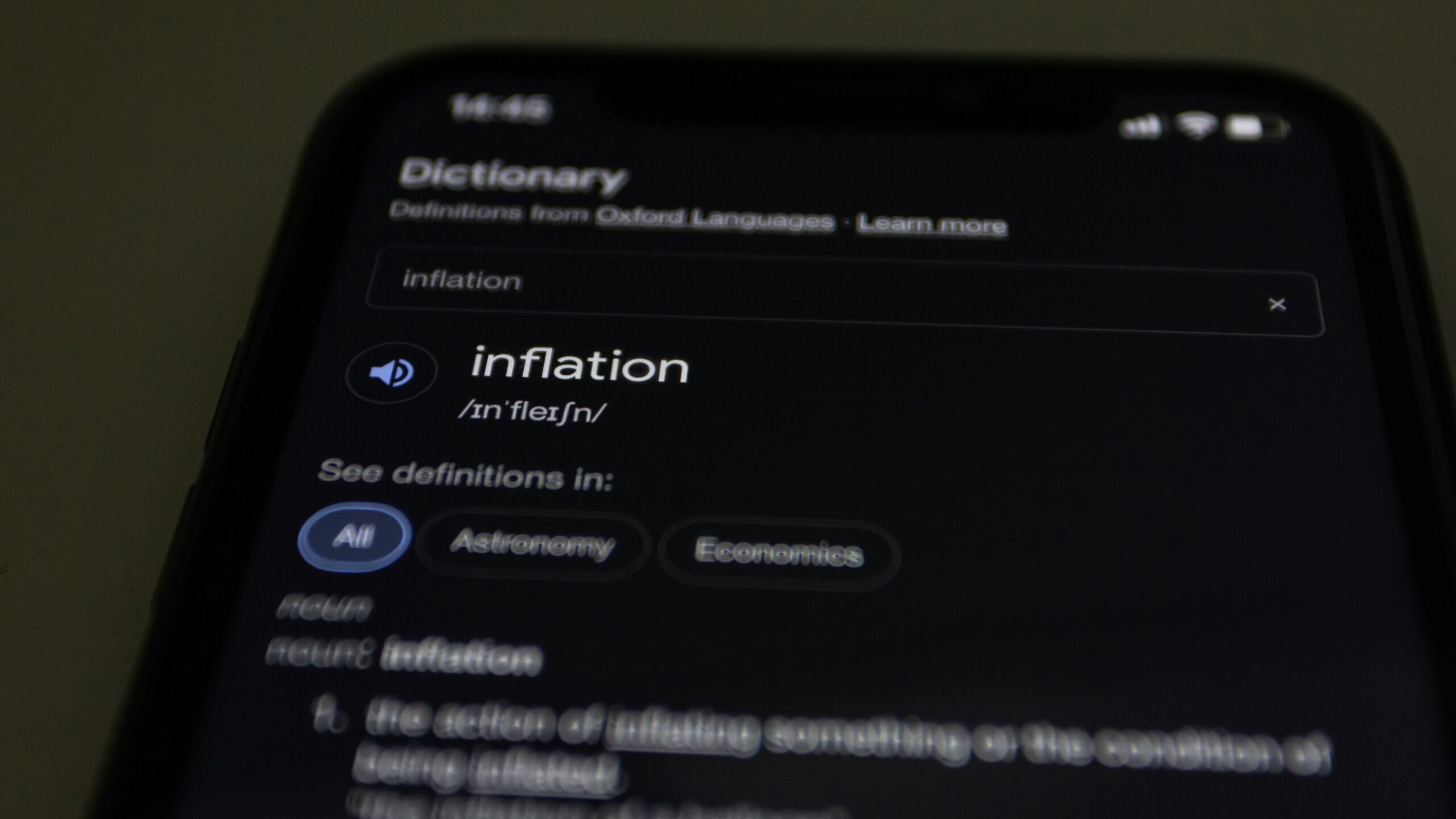
Inflation affects every part of your financial life, from the cost of groceries to the value of your investments. As prices rise, the money you’ve saved buys less than it did before, which can eat into your long-term financial goals if you’re not prepared. For investors, inflation isn’t just an economic term, it’s a real threat to your portfolio’s growth. In this guide, we’ll break down how inflation impacts different types of investments and the practical steps you can take to protect yourself.
What Is Inflation?
Inflation is the rate at which the general price level of goods and services increases over time. It’s typically measured by the Consumer Price Index (CPI), which tracks price changes across everyday items like food, housing, and transportation. Inflation happens for various reasons, such as increased consumer demand, rising production costs, or expansion of the money supply. While modest inflation is normal, high or unpredictable inflation can significantly reduce the value of your money and your investments.
How Inflation Affects Your Investments
Stocks
Stocks can offer long-term protection against inflation because companies often raise prices to keep up with rising costs. However, inflation also increases expenses, like wages and materials, which can cut into profit margins and create short-term volatility. Strong companies with pricing power tend to perform better during inflationary periods.
Bonds
Bonds are among the most vulnerable assets during inflation because they pay fixed interest. As inflation rises, the “real return” you earn declines. For example, if a bond pays 3% but inflation is 5%, you’re effectively losing purchasing power. Long-term bonds suffer more because their fixed payments are locked in for longer periods.
Cash and Savings Accounts
Cash loses value quickly during inflation. Even high-yield savings accounts rarely keep up with inflation, which means your purchasing power erodes over time. Keeping cash for emergencies is important, but holding too much can work against you during inflationary cycles.
Real Estate
Real estate often performs well during inflation because property values and rents tend to rise with the broader economy. As the cost of living increases, landlords can adjust rent upward, and properties themselves typically appreciate in value. However, higher interest rates, often used to fight inflation, can slow down real estate demand.
Commodities
Commodities like oil, gold, and agricultural products frequently rise during inflation because they represent the raw materials behind rising prices. Investors may turn to commodities as a hedge, but they can be volatile and influenced by global events or supply issues.
Why Inflation Matters for Long-Term Investors
Inflation reduces the future value of your money, which means you’ll need more funds to reach the same goals over time. If inflation averages 3% per year, $100 today will only have the buying power of about $74 in 10 years. This erosion impacts retirement planning, emergency funds, and long-term wealth-building strategies. Understanding inflation helps you choose investments that not only grow your money but also protect it from losing value over time.
5 Ways to Protect Yourself Against Inflation
1. Invest in Stocks for Long-Term Growth
Stocks have historically outpaced inflation over long periods. Investing in diversified index funds, growth-focused companies, or dividend-paying stocks can help your money grow faster than rising prices. Staying invested long-term is key.
2. Add Inflation-Protected Securities (TIPS)
Treasury Inflation-Protected Securities (TIPS) are designed to rise with inflation. Their principal value adjusts based on inflation rates, helping preserve your purchasing power. They offer a safe, government-backed way to hedge against high inflation.
3. Diversify Into Real Assets (Real Estate, REITs, Commodities)
Real assets often increase in value during inflation. Real estate can provide rental income and appreciation, REITs make property investing accessible, and commodities can rise when prices are climbing. A mix of these assets helps reduce inflation risk.
4. Don’t Sit on Too Much Cash
Cash is the weakest performer during inflation. Keep enough for emergencies, typically 3 to 6 months of expenses, but move excess cash into investments that offer better protection, whether that’s index funds, high-yield savings, or short-term bonds.
5. Build a Diversified, Inflation-Resistant Portfolio
No single investment protects perfectly against inflation. The strongest defense is diversification, spreading money across stocks, bonds, real estate, commodities, and inflation-protected assets. This reduces risk and balances performance across different market conditions.
Summary
Inflation reduces your purchasing power and affects every investment differently. Stocks and real estate often hold up well, while bonds and cash tend to struggle. The good news is that you can protect yourself by diversifying, investing strategically, and keeping only a small amount of cash on hand. With the right approach, inflation doesn’t have to derail your financial future, in fact, it can be an opportunity to strengthen your long-term strategy.
FAQs
Why is inflation such a big concern for investors?
Because it erodes the purchasing power of your returns. Even if your investments grow, high inflation can make that growth worth less in real terms over time.
Which investments perform best during inflation?
Historically, stocks, real estate, and commodities have held up better since they can rise with prices. Assets with fixed returns, like long-term bonds or cash, usually perform worst.
Should I change my investment strategy when inflation rises?
Not necessarily. Instead of reacting suddenly, focus on rebalancing, add some inflation-protected or real assets while keeping a long-term, diversified portfolio.
What are Treasury Inflation-Protected Securities (TIPS)?
TIPS are U.S. government bonds whose principal value adjusts with inflation. They’re designed to preserve your purchasing power and provide steady, inflation-linked income.
Is keeping money in a savings account safe during inflation?
It’s safe from loss, but not from inflation. Even high-yield savings rarely match rising prices, so your money slowly loses value. Keep only short-term funds in cash.
How does inflation affect retirement planning?
You’ll need more money to maintain the same lifestyle later. That’s why retirement portfolios should include growth-oriented investments that can outpace inflation over decades.
Can inflation ever be good for investors?
Moderate inflation can be positive, it often signals a growing economy and can boost company revenues. Problems arise when inflation becomes high or unpredictable.